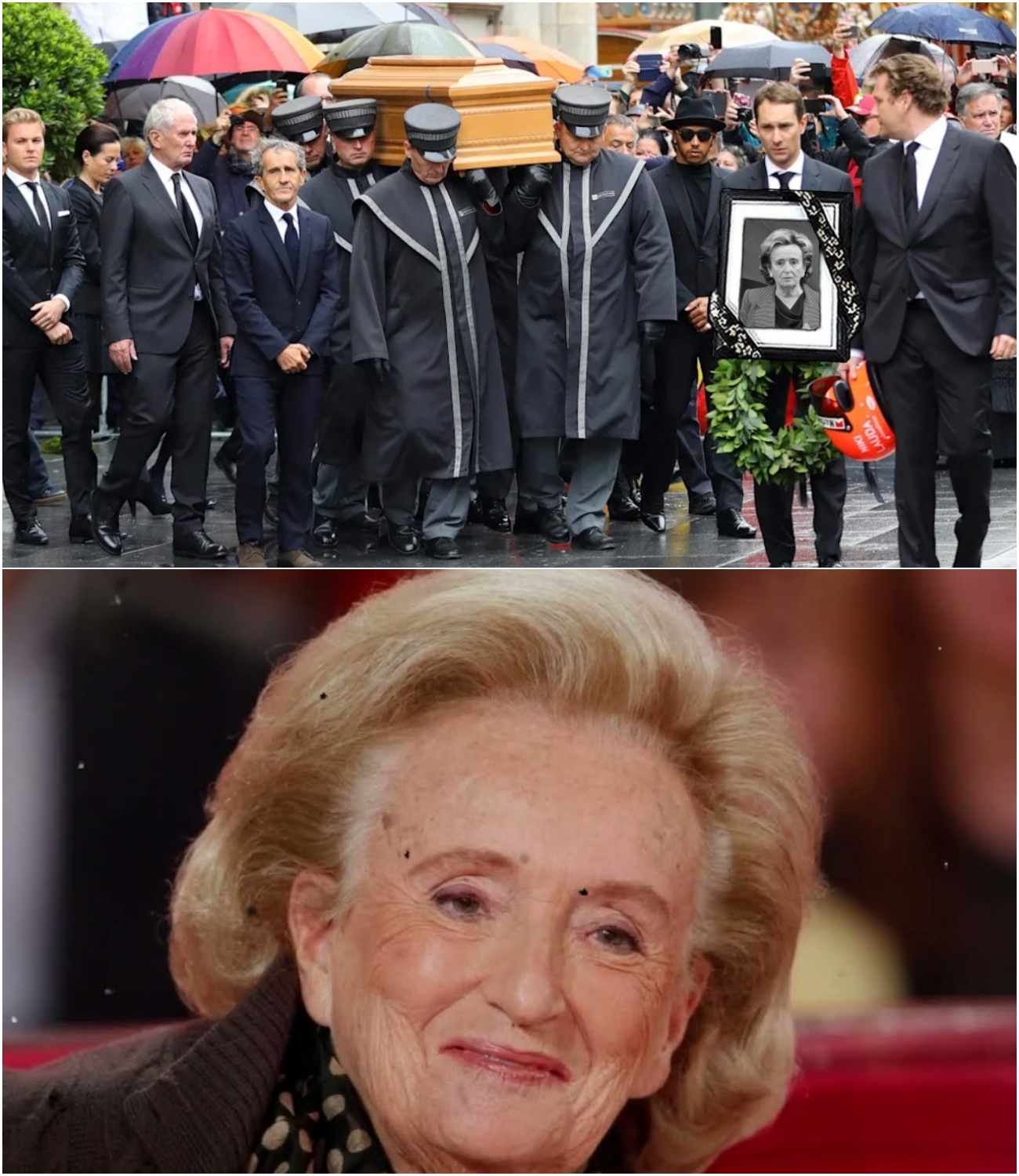
The French Republic has lost one of its most enduring and formidable figures. With the passing of Bernadette Chirac at the age of 93, a profound chapter in contemporary history has come to a close. For over half a century, she stood at the very epicenter of French political life, evolving from the traditional role of a president’s wife into a potent political operator whose influence shaped the nation’s trajectory. Her departure has not only sparked an outpouring of national emotion but has also prompted a re-examination of the life of a woman who was often underestimated, yet always in command.
Born Bernadette Thérèse Marie Chaudron de Coursel on May 18, 1933, she was a product of the old French bourgeoisie, raised with a strict adherence to Catholic values, discipline, and a deep-seated sense of duty. While these foundations were intended to prepare her for a quiet life, destiny had other plans. Her path intersected with that of Jacques Chirac during their time at the prestigious Sciences Po university in Paris. Theirs was a union that would span 63 years, a partnership that was forged through ambition, success, scandal, and, eventually, a quiet, stoic endurance.
To view Bernadette Chirac merely as the “loyal wife” would be to ignore the sheer breadth of her political acumen. While her husband, Jacques, captured the public’s imagination with his charisma and energy, Bernadette became the architect of their sustained influence. She possessed an observational intelligence that was often described by those who knew her as “redoubtable.” She was a woman who saw everything, understood the nuances of power, and, significantly, rarely forgot. While others engaged in the surface-level theatrics of politics, she was busy building a network of influence that stretched from the corridors of the Élysée Palace to the rural heartlands of Corrèze.
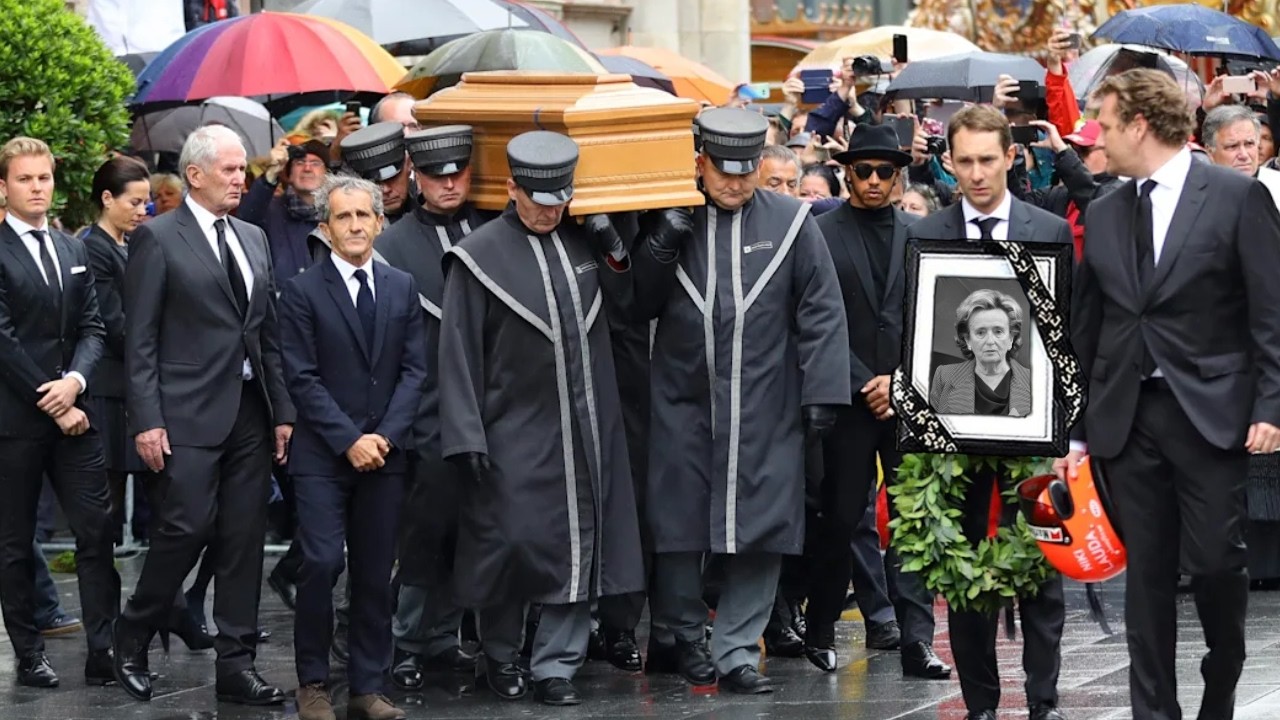
Indeed, it was in the department of Corrèze that Bernadette truly forged her own independent political identity. Starting as a municipal councillor in 1971 and eventually becoming a departmental councillor, she proved that she did not need to borrow her husband’s popularity to succeed. She thrived on the ground, engaging directly with citizens, listening to their grievances, and addressing their needs. This grassroots experience gave her a perspective that many national politicians lacked—a deep, visceral understanding of the “real” France. This connection to the public was further cemented through her long-standing commitment to the “Pièces Jaunes” (Yellow Coins) charity campaign. By championing the cause of hospitalized children, she transformed her image from an aloof, aristocratic figure into a maternal, empathetic, and dedicated public servant.
The resilience she displayed throughout her life was not limited to the political arena. It was also profoundly tested in her personal life. The most harrowing of these experiences was the struggle of her eldest daughter, Laurence, whose long battle with health issues following a childhood meningitis infection caused Bernadette immense grief. Throughout these decades of pain, she maintained a facade of impenetrable dignity, protecting her family’s privacy while continuing to fulfill her public duties. This ability to compartmentalize her suffering and channel it into strength became the hallmark of her character.
Her relationship with Jacques Chirac was equally complex. While his well-known infidelities were an open secret in the halls of power, Bernadette responded with a steely grace that defined her public persona. She refused to be defined by the actions of her husband, often countering rumors with dry, piercing wit. Her famous 1998 retort to journalists in Corrèze—”Stay calm, I am neither Claudia Cardinale nor Gina Lollobrigida”—remains one of the most iconic moments in French political history, perfectly encapsulating her disdain for tabloid speculation and her absolute mastery of public perception.
As she entered her final years, Bernadette remained a vocal and visible force. Even after Jacques Chirac left the Élysée in 2007, she declared with characteristic determination, “My husband is no longer doing politics, but I am continuing.” This was not just a statement of intent; it was a reflection of her identity. For her, service was not a privilege granted by a title; it was an obligation that transcended political office. Even as her health began to decline, she retained the sharp, incisive mind that had made her a feared and respected advisor to ministers, politicians, and policymakers alike.
The 2023 biographical film Bernadette, featuring Catherine Deneuve, brought her story to a new generation, sparking renewed interest in the woman who had been so central to the Fifth Republic. The film served as a reminder that Bernadette Chirac was never just an appendage to a presidency; she was a historical figure in her own right. Her life challenged the traditional expectations of the role of a “First Lady,” transforming a position without constitutional power into a vital center of influence and action.
Today, as the nation mourns, we are left to reflect on the nature of her legacy. It is a legacy defined by a certain idea of France—one where duty was considered more important than communication strategy, and where the quiet, consistent exercise of responsibility held more weight than the loud proclamations of political theater. Bernadette Chirac belonged to a vanishing generation of leaders who viewed public service as a mission rather than a career.
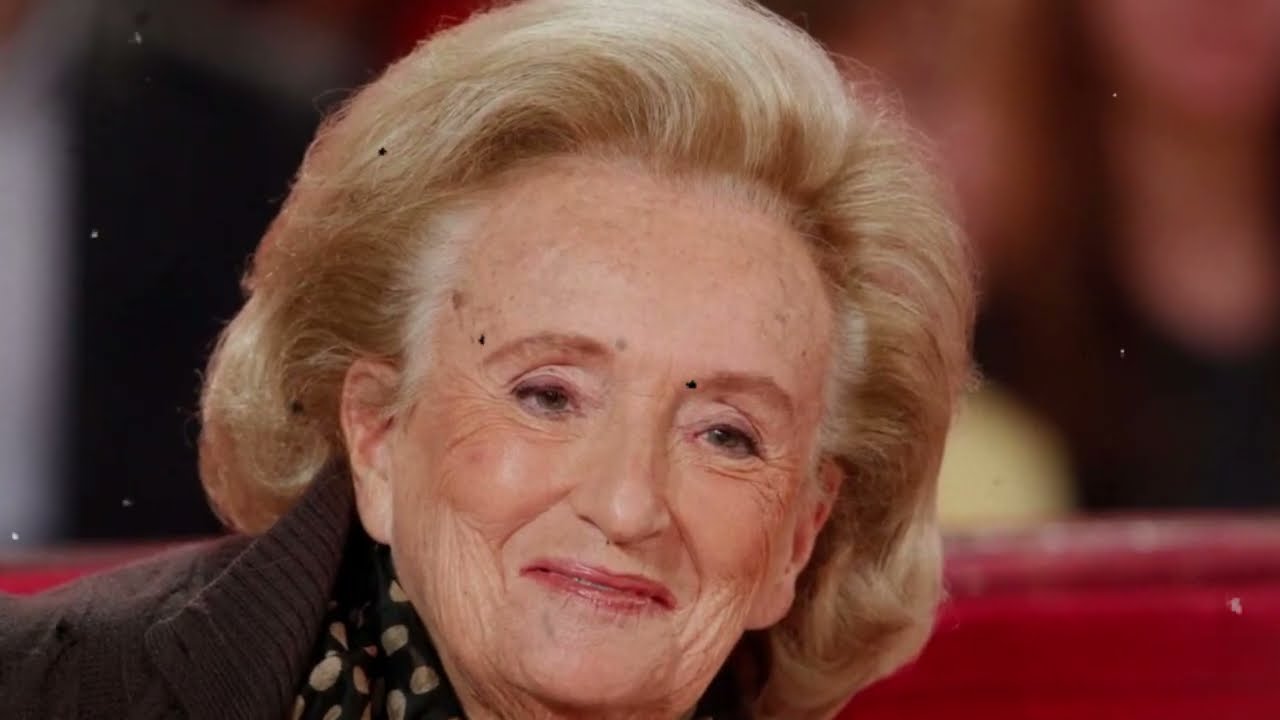
In her final years, the quietude that enveloped her was perhaps a reflection of a life that had been lived entirely in the public eye, navigated with an elegance and tenacity that few could replicate. She transformed every challenge into an opportunity for growth and every responsibility into an act of service. The tributes currently pouring in from across the French political spectrum and from the ordinary citizens she served in the villages of Corrèze attest to the impact of a woman who defied the limitations imposed upon her.
Ultimately, Bernadette Chirac’s life serves as a testament to the power of resolve. She refused to be sidelined, she refused to be silenced, and she refused to let her identity be subsumed by the institutions she served. Whether she was managing the internal politics of a campaign, advocating for the comfort of sick children, or navigating the complexities of a public marriage, she did so with a singular focus and a level of dignity that commanded respect, even from her staunchest detractors.
As France bids its final farewell, the memory of her enduring presence will undoubtedly continue to resonate. She leaves behind not just the history of a presidency, but the story of a woman who stood firm against the tides of time. She will be remembered as a figure who bridged the gap between the traditional establishment and the modern world, demonstrating that true authority does not always need to shout to be heard. The name Bernadette Chirac will remain etched in the annals of French history, not merely as the partner of a president, but as an exceptional woman whose intelligence, grit, and compassion shaped the nation in ways that will be felt for generations to come. In an age of fleeting popularity and ephemeral digital influence, her life stands as a firm reminder of the power of persistence, character, and an unwavering commitment to one’s duty.
Disclaimer : This content may be created by AI for entertainment purposes. Any resemblance to real persons, events, or places is coincidental.
